
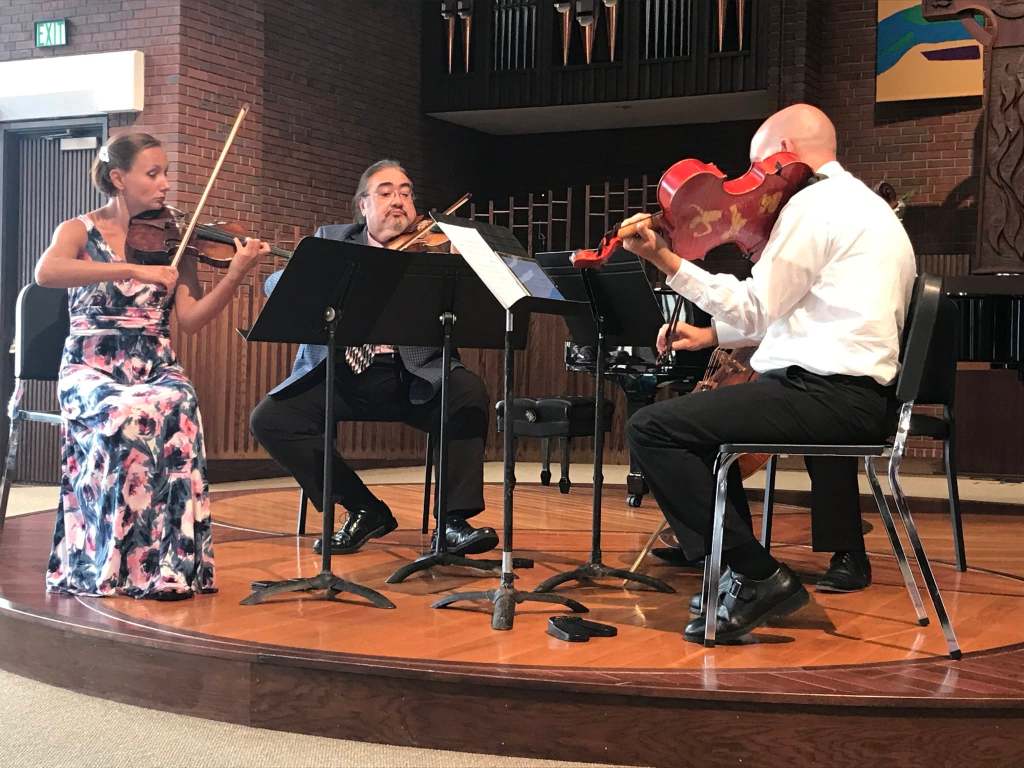
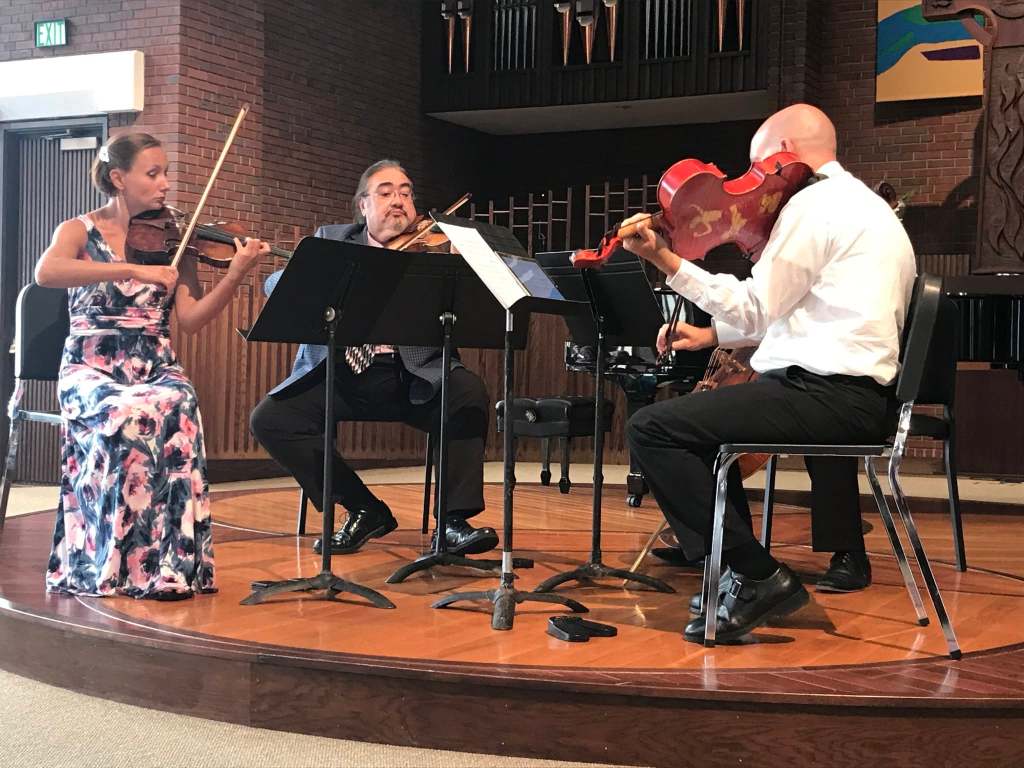
When Nicolas Orbovich was growing up in Steubenville Ohio, 40 miles west of Pittsburgh, he took started playing violin in an orchestra program. A music teacher told his parents, a steel worker and a county worker, that their son had musical promise and encouraged them to get him private lessons.
“At eight years old I knew what I wanted to do,” says Orbovich, who started, with his wife, Sunny, the Michigan City Chamber Music Festival 25 years ago.
This year’s festival runs seven days from Aug. 8 through Aug. 16. Interested people are encouraged to arrive early; seating is first-come, first-served.

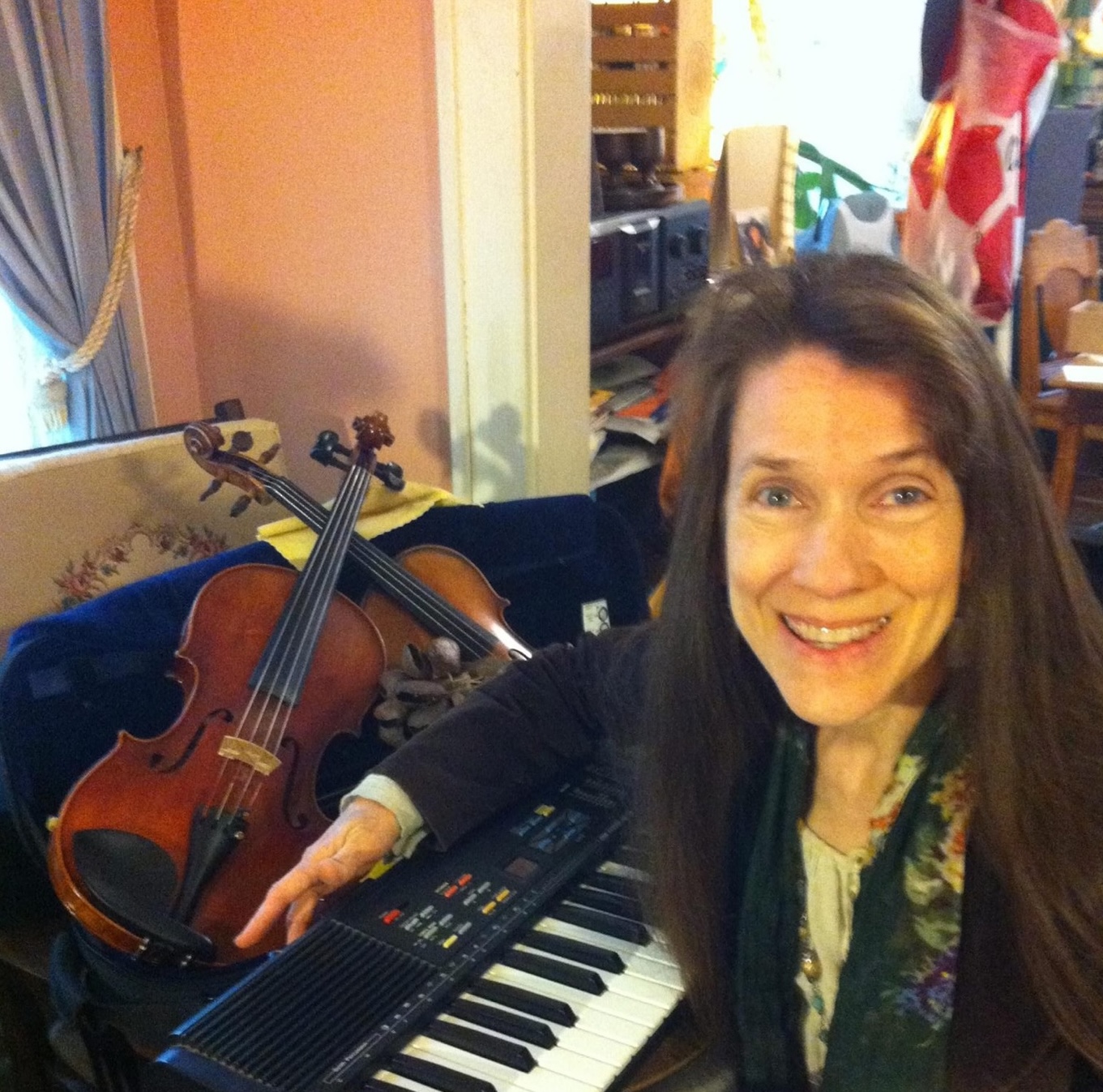
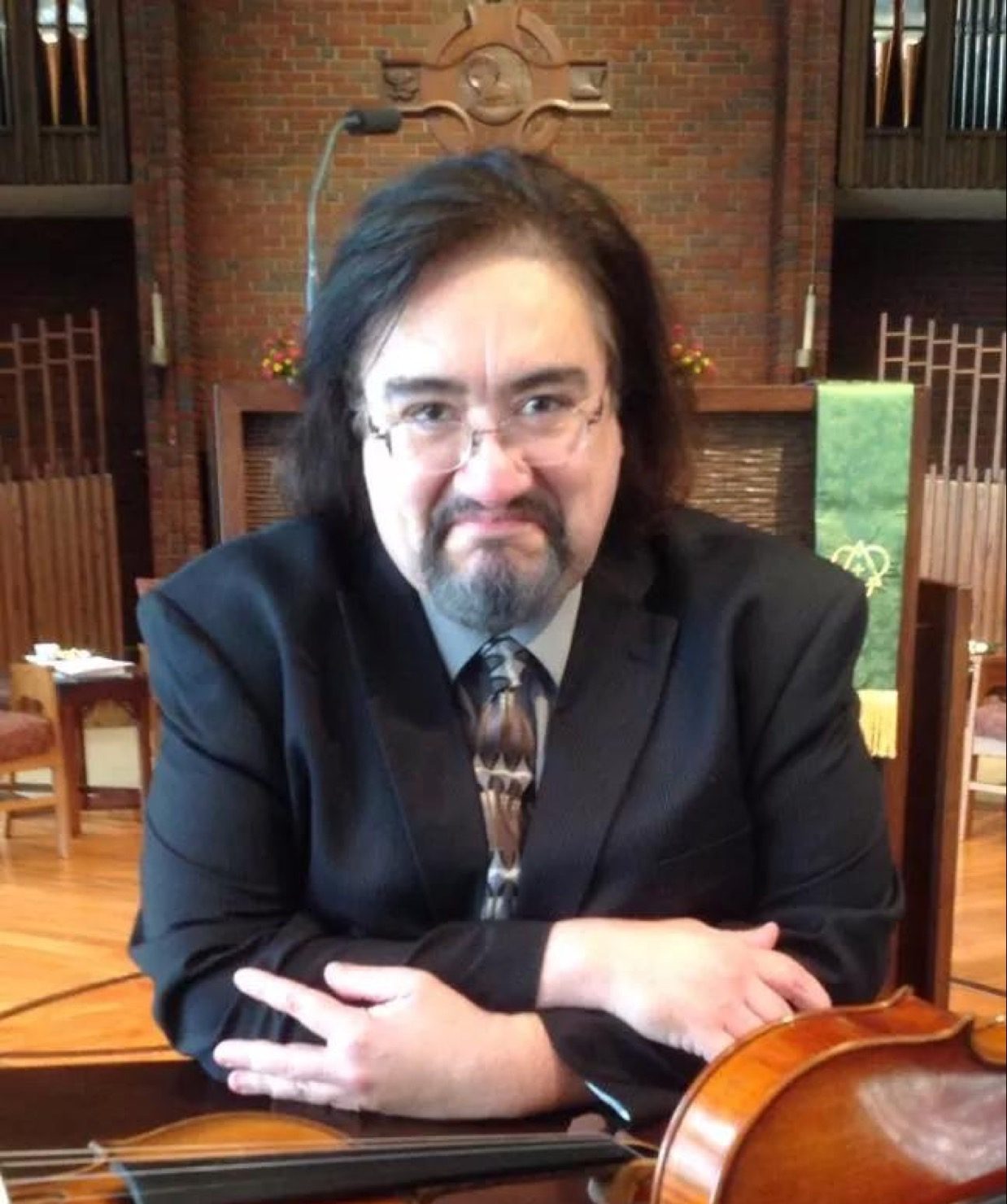
From left: Kimberly E. Jones, Lyric Opera soprano; Sunny Gardner Orbovich; Nicholas Orbovich
Orbovich considers himself lucky to have been exposed to classical music as a child, and starting the festival, which is free, was his way of exposing others to what is seen by many to be a dying art.
After studying music at Carnegie Mellon, Orbovich earned a master’s in music at DePaul University in Chicago, and spent some 15 years in the city before becoming principal second violinist with the South Bend Orchestra. He started playing with the LaPorte Symphony, where he met his wife, Sunny Gardner-Orbovich, who also taught art at the public schools in Michigan City.
Soon he would relocate to Michigan City, teaching music at Valparaiso University and Andrews University in Berrien Springs, Michigan.
Orbovich got the idea for a free concert series after teaching three summers at the Hot Springs Music Festival in Arkansas. The all-encompassing festival featured students, choirs and orchestras. “My colleagues and I talked a lot about what would make the perfect festival,” he says. Concerts, which required tickets, were held every night but were poorly attended, Orbovich said. “Those who were behind the scenes spent lots of money on cocktail parties and extravagances, and they almost went under,” he notes.
“We thought, Why don’t we try this? And we put on two free recitals at Michigan City’s Barker Mansion to see what the reception would be.”
Turns out there was a “phenomenal reception.” He decided that the best way to garner big audiences was to eliminate ticket sales and go with voluntary donations at the door.
He convinced several colleagues to donate their time during the first two years of the festival, which featured a week’s worth of concerts.
Then he and Sunny started raising money for their nonprofit, and they were able to pay musicians—which included Emmy award-winner and Grammy nominees—”a competitive rate.”
Historically, some 70 to 75 percent of the group’s budget comes from private donations. The remaining 30 percent came from grants, but unfortunately, all the grant money has “fizzled away,” in a new political environment, he says.
Fundraisers include an annual house concert in a time capsule of a midcentury home. (Diva attended and will be posting a separate story on the house.)
Orbovich believes in engaging the audience from the stage. “We tell them what the piece is about, why we want to play it, if there was something going on with the composer. We want the audience to scream applaud, like they did in the old days.”
Five concerts in the festival will be held at First Presbyterian Church in downtown Michigan City; two children’s concerts will be performed at the Helmut Jahn-designed Michigan City Public Library. The programs include works by Beethoven, Tchaikovsky and Rachmaninov, as well as new work by Orbovich’s former student Jessica Carter, who is an award-winning composer “of some repute,” he says.
Of the talented professional performers, Lyric Opera soprano Kimberly E. Jones is on the schedule.
For a full schedule, click here.
“I do believe that just about anyone can love this music,” Orbovich says. “We think that we can be a part of most people’s lives.”
 DUNES DIVA
Leave a comment